Aktualności

From Material to Performance: Lifecycle Design Principles for High-Quality Concrete Steel Moulds

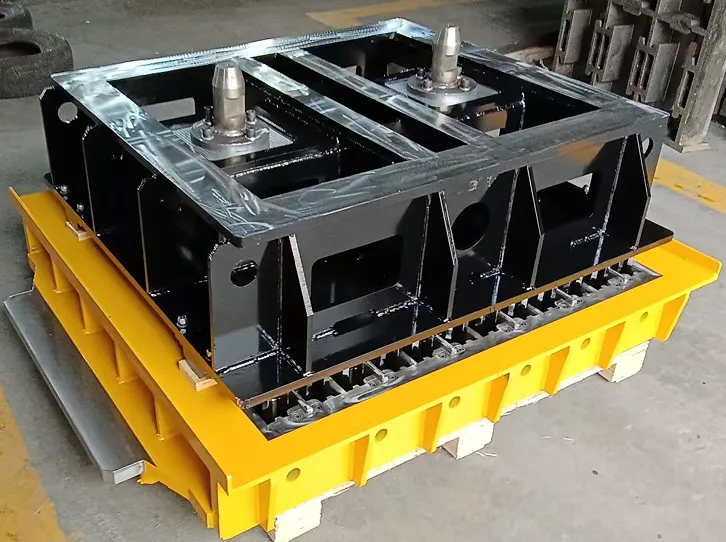
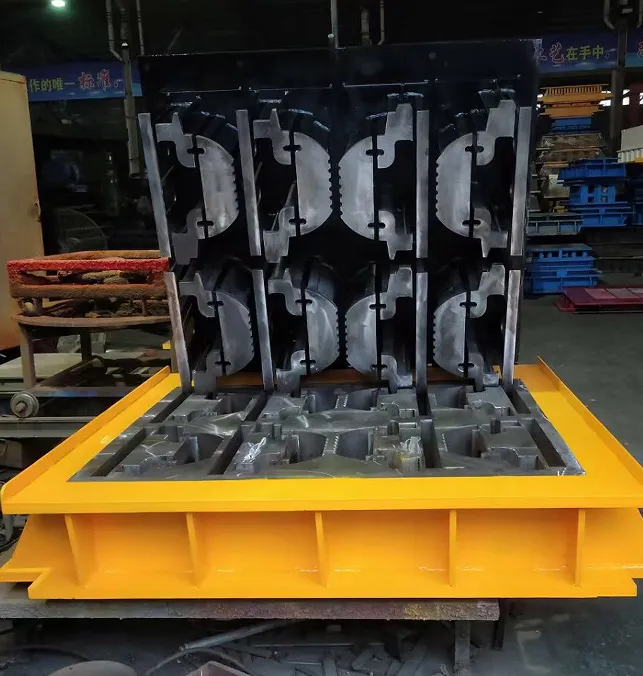
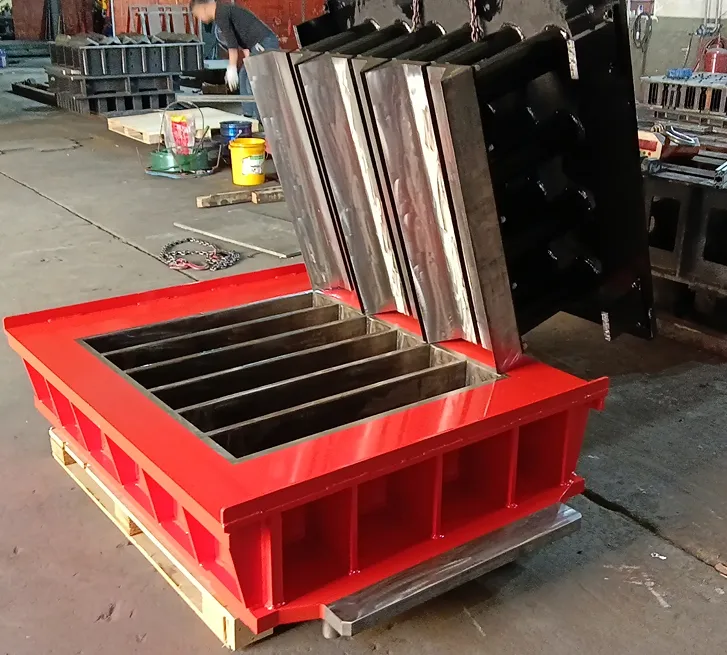
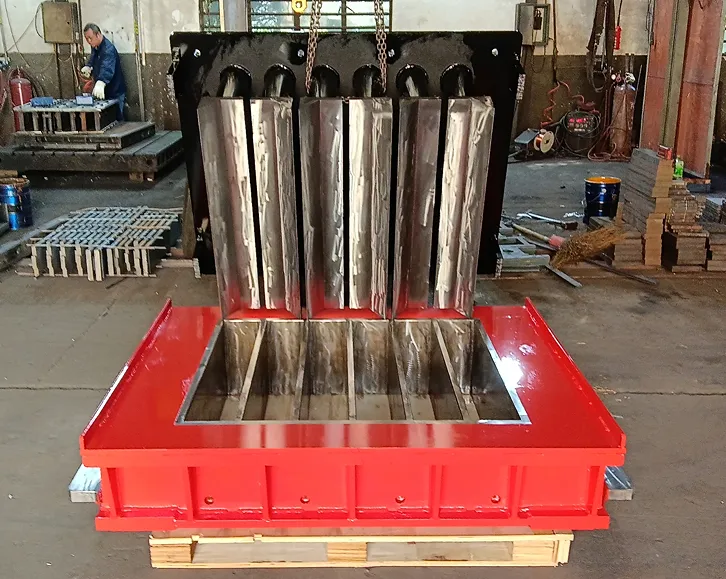
In automated concrete production, mould quality directly determines product dimensional accuracy, surface finish, and overall production line efficiency. A well-designed concrete steel mould is not merely a forming tool but a sophisticated system that demands lifecycle consideration—from material science and mechanical principles to manufacturing processes.

mould

I. The Foundation of Material Science: Unifying Hardness and Toughness

The starting point for high-quality moulds lies in the rigorous selection of base materials. The choice of mould steel requires a delicate balance between wear resistance and impact resistance. UNIK Mould employs vacuum-degassed alloy tool steels (such as Cr12MoV and 42CrMo). Through multi-directional forging, these materials refine their grain structure, establishing a uniform and dense microstructure that is essential for subsequent heat treatment. The purity and uniformity of the steel are the primary guarantees of a long mould service life.

mould

II. Core Processes: Heat Treatment and Surface Hardening

Heat treatment is the critical stage that endows the mould with its performance characteristics. For concrete steel moulds, pursuing only high surface hardness is insufficient. UNIK adopts processes such as carburizing and quenching to form a "dual-hardness" structure: a surface hardened layer (approximately 1.2-1.5 mm thick) with a hardness of HRC 58-62 to withstand severe abrasion caused by concrete aggregates, and a tough core with HRC 35-40 hardness to absorb high-frequency vibration and impact loads generated during pressing, thus avoiding brittle fracture. This gradient hardness design, paired with precise vacuum quenching and tempering cycles, serves as the core technology that allows the moulds to maintain a stable service life ranging from 80,000 to 120,000 production cycles.

mould

III. Precision Manufacturing and Geometric Control

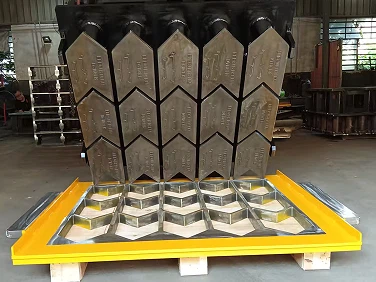
Design concepts must be realized through precise manufacturing. Modern concrete steel mould production relies on CNC machining centers, wire cutting, and precision grinding equipment to ensure extreme accuracy in cavity dimensions. The large-scale Coordinate Measuring Machine (CMM) at UNIK's facility enables three-dimensional verification of every critical geometric parameter, ensuring overall board flatness (≤0.5mm), cavity-to-cavity dimensional consistency (-0.3mm to +0.3mm), and the clearance between the presser foot and mould cavity (0.2-0.4mm) all conform precisely to design specifications.

mould

IV. Lifecycle Considerations: Modularity and Maintenance

A comprehensive lifecycle design philosophy extends beyond initial performance to include maintainability and long-term cost-effectiveness. By incorporating replaceable wear components at high-abrasion locations and standardizing mounting interfaces for compatibility with major press manufacturers (such as Hess, Masa, and Zenith), UNIK's modular design approach allows producers to perform targeted maintenance and reduce downtime. This strategy significantly lowers the total cost of ownership over the mould's entire service life, supporting sustainable production practices.

 mould

Powiązane wiadomości
Zostaw mi wiadomość
X
Używamy plików cookie, aby zapewnić lepszą jakość przeglądania, analizować ruch w witrynie i personalizować zawartość. Korzystając z tej witryny, wyrażasz zgodę na używanie przez nas plików cookie.Polityka prywatności
OdrzucićPrzyjąć